TPC Piper Glen
- Par
- 72
- Yardage
- 6,853yds
- Holes
- 18
- Opened
- 1991
- Access
- Private
- Design
- Modern
History
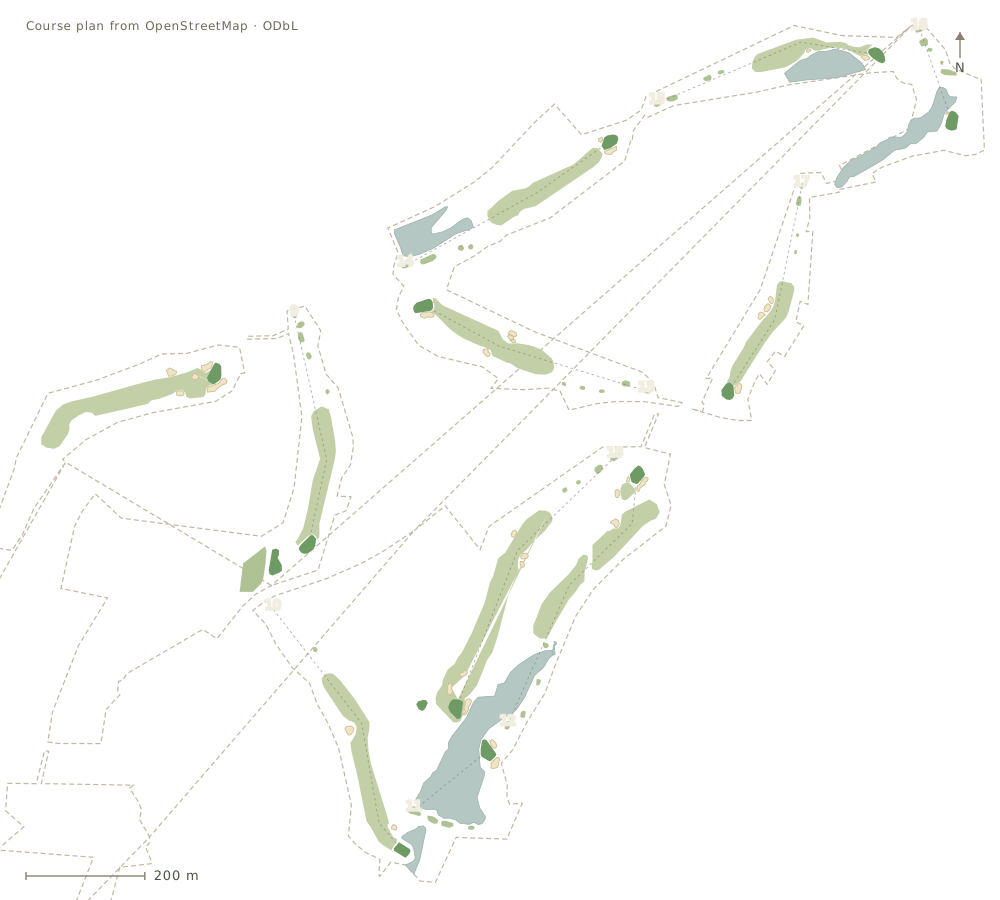
TPC Piper Glen was designed by the legendary Arnold Palmer in partnership with longtime collaborator Ed Seay and opened in 1991 as part of the Piper Glen residential community in Charlotte, North Carolina. Palmer and Seay crafted a par-72, 6,853-yard private club layout featuring the duo's characteristic combination of beauty, challenge, and pure playability — wide, inviting fairways balanced with strategically demanding green complexes and natural hazards. The course is set across a gently rolling landscape with elevation changes and wooded corridors that provide a sense of seclusion within the suburban Charlotte setting. TPC Piper Glen hosted several PGA Tour Senior events during the 1990s and early 2000s, establishing its credentials as a tournament-worthy layout in the Southeast. The club was sold to Heritage Golf Group in 2007 and later transitioned to Invited Clubs, while retaining TPC Network branding as one of Charlotte's most prestigious private golf venues.
Signature Hole
A demanding par-4 featuring elevation changes and strategic bunkering that Palmer incorporated throughout the design, demanding accurate driving and precise approach play
Notable Tournaments
- Seniors Tour events (1990s–early 2000s)
In the context of the top 100
Where this course sits against every ranked course on the list.
Frequently asked questions
Is TPC Piper Glen public or private?
TPC Piper Glen is a private club. Play is generally limited to members and their accompanied guests.
Who designed TPC Piper Glen?
TPC Piper Glen was designed by Arnold Palmer and Ed Seay and opened in 1991.
Is TPC Piper Glen a TPC Network course?
Yes. TPC Piper Glen is part of the TPC Network operated by the PGA TOUR. It is featured here as a notable tour venue rather than a consensus top-100 course.
What is the signature hole at TPC Piper Glen?
The signature hole at TPC Piper Glen is the A demanding par-4 featuring elevation changes and strategic bunkering that Palmer incorporated throughout the design, demanding accurate driving and precise approach play.